Aditya Uke
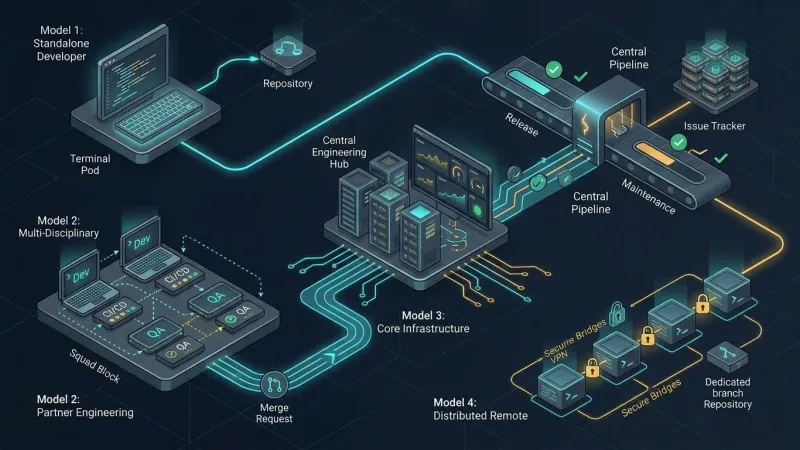
AIHiring for AI Work: Freelancer vs Agency vs In-House vs Offshore Team
You need to hire an AI developer and don't know which route fits a $2K-$20K budget. Here's how freelancer, agency, in-house, and offshore compare.
Notes on AI-enabled products, document workflows, and software that has to keep running after launch.
You need to hire an AI developer and don't know which route fits a $2K-$20K budget. Here's how freelancer, agency, in-house, and offshore compare.
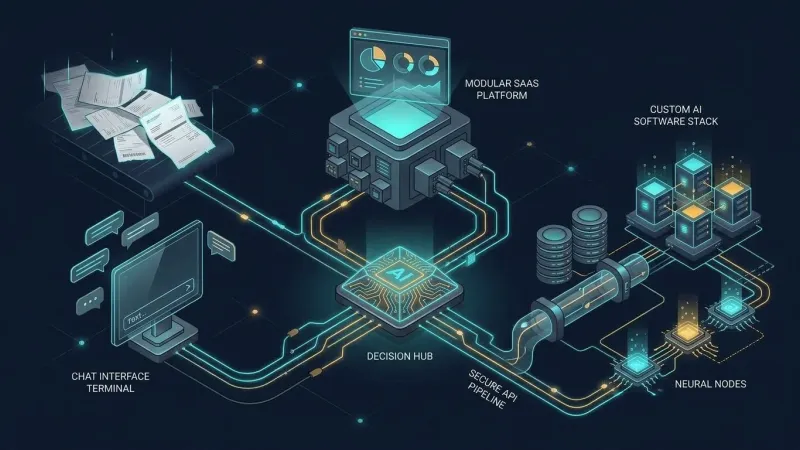
Custom AI tool vs off-the-shelf SaaS vs ChatGPT: a five-question framework and decision table to settle build vs buy AI small business decisions.
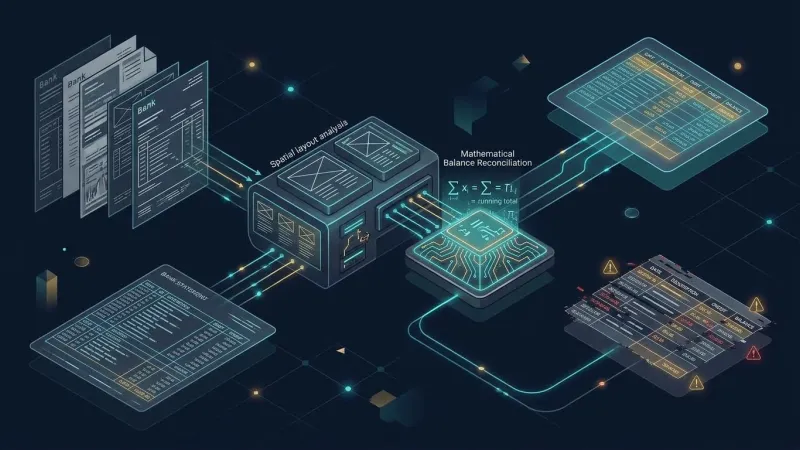
Converting a bank statement PDF to CSV isn't a generic PDF-to-Excel problem. Here's why converters fail and what a statement-aware pipeline does differently.
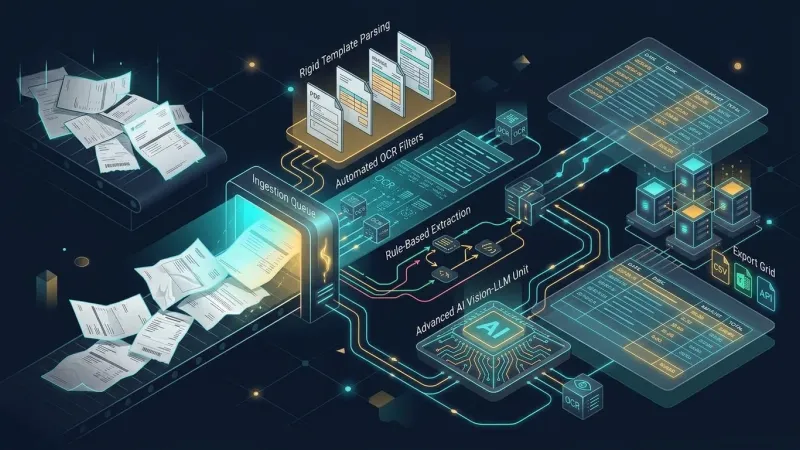
Four real ways to automate document data entry compared on cost, accuracy, and who fixes it when it breaks. No hype, just the trade-offs.
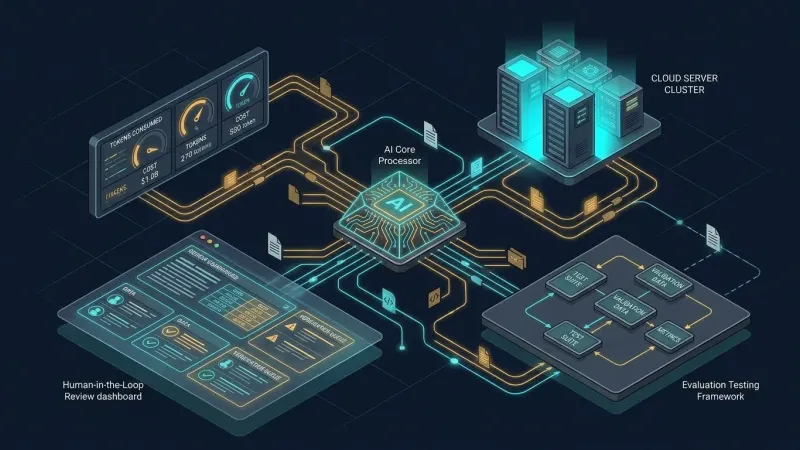
A real AI MVP development cost breakdown: engineering hours, model tokens, evals, hosting, and the review UI nobody budgets for.

No-code webhooks work fine for notifications. They break when an AI updates your core database. Here is why webhook AI glue fails and how to build resilient integrations.

Pulling text from a pristine digital PDF is simple. Real financial documents are crumpled, skewed, and inconsistent. Here is how we build document AI that survives production.

AI app builders produce fast prototypes, but break under real users and expose severe security vulnerabilities. Here is how vibe-coded apps fail and how we rebuild them securely.

How to set up iOS App Groups so a share extension, widget, and main app can share UserDefaults and files - group identifiers, entitlements, and the mistakes that break it.
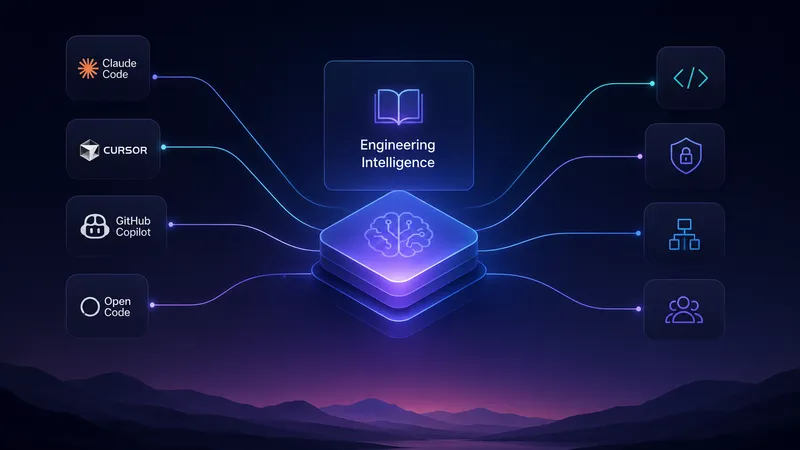
Why organizations need an internal AI platform that shares engineering knowledge, rules, skills, and ADRs across Claude Code, Cursor, Copilot, and future AI agents.
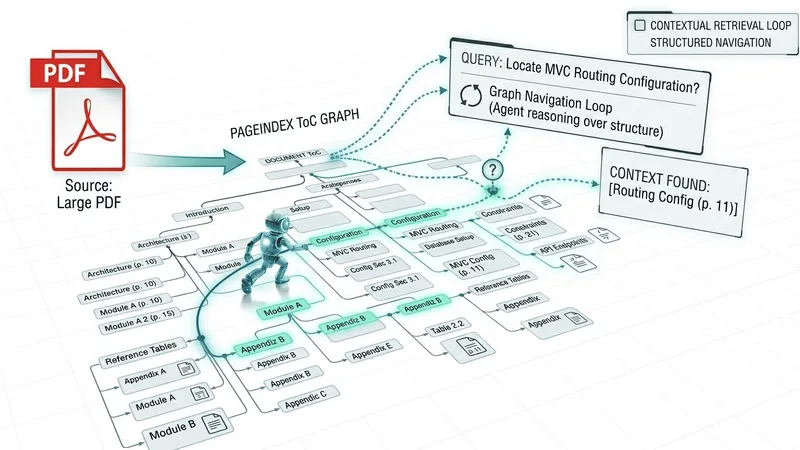
A practical guide comparing Vector RAG and navigation based RAG for large PDFs, showing how a hierarchical PageIndex lets LLMs locate answers inside structured documentation without relying on vector databases or similarity search.
A working LangChain v1 agent in Python: model setup, LCEL chains, structured output with Pydantic, tool-calling agents, and how it compares to Semantic Kernel.
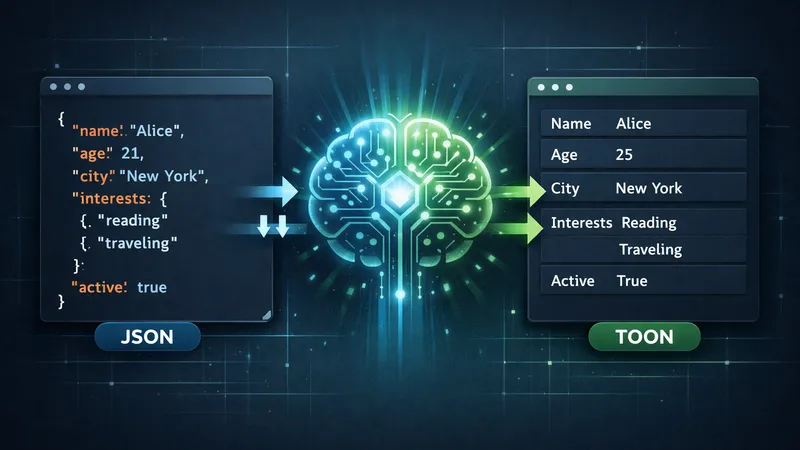
TOON is a token-efficient data format for LLMs. Learn how it compares to JSON, why it saves tokens, and how to use it with Semantic Kernel in .NET.
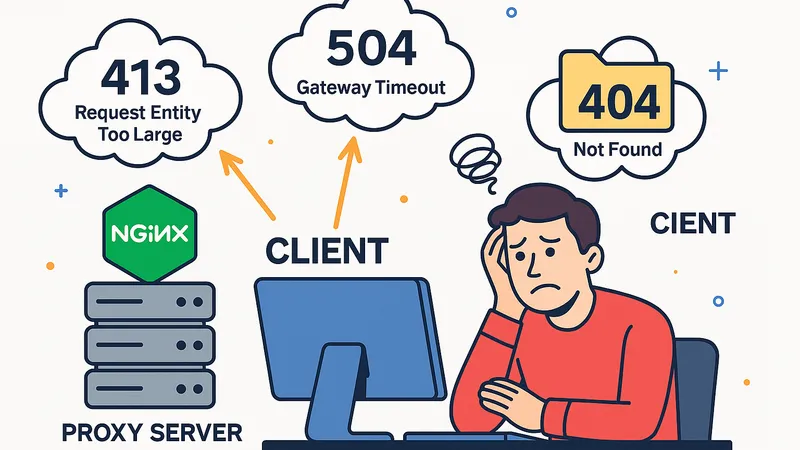
Fix Nginx errors like 413 Request Entity Too Large, 504 Gateway Timeout, and static file issues in Docker using simple nginx-proxy configuration tweaks.
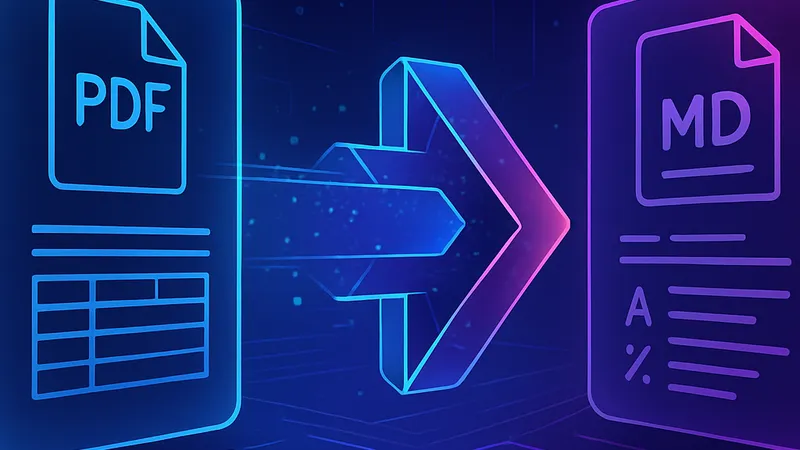
Explore MarkItDown, Docling, and Mistral Document AI performance when converting complex PDFs into structured Markdown. This comparison highlights each tool’s strengths and limitations, from basic text scraping to AI-powered table recognition.
Learn what Context Engineering is, how it differs from Prompt Engineering, and see real-world examples like AI coding assistants. A simple guide for beginners to understand how AI truly becomes smart.

Learn why using a single Semantic Kernel for multiple agents causes plugins to leak between them, uncover the root cause, and explore simple solutions to ensure each agent’s plugins remain properly isolated.
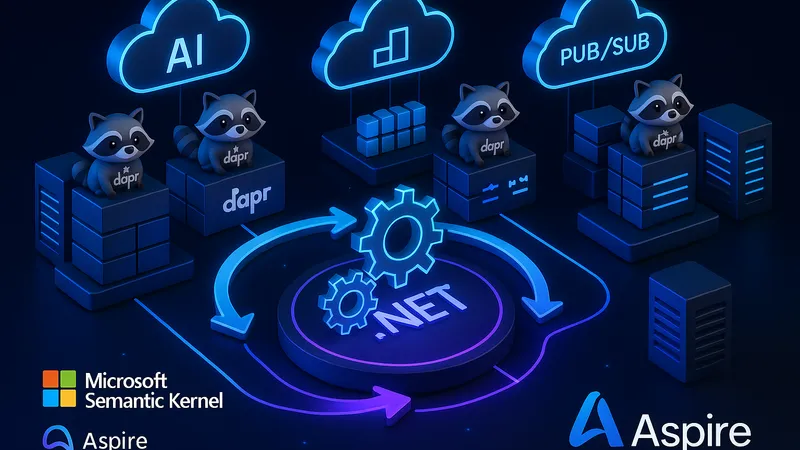
Learn how to integrate Dapr sidecars into your .NET Aspire projects with Microsoft’s Semantic Kernel Process Framework to run AI-powered workflows at cloud scale. This step-by-step guide covers installation, configuration and sample code to get resilient, actor-based processes running anywhere.
Explore how Selection and Termination Strategy Functions in the Semantic Kernel Agent Framework for .NET manage multi-agent conversations by choosing the next speaker and deciding when to end the chat.
Build intelligent, event-driven workflows using Microsoft’s Semantic Kernel Process Framework to automate content creation, onboarding, and complex tasks with AI and custom logic.
Explore how multi-agent systems enable AI agents to collaborate seamlessly, enhancing efficiency and scalability. Learn to implement this approach using Microsoft's Semantic Kernel, orchestrating specialized agents to automate tasks like email drafting and approval.
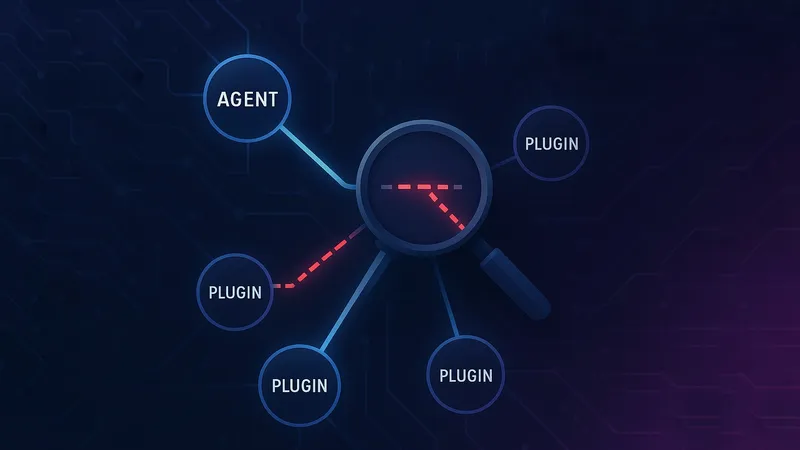
This blog covers why your Semantic Kernel AI agent may ignore plugins and how to fix it with a simple configuration change.
Learn how to implement a Model Context Protocol (MCP) server using C# and integrate it with Semantic Kernel to enhance AI assistants with external data and tools through a standardized protocol.
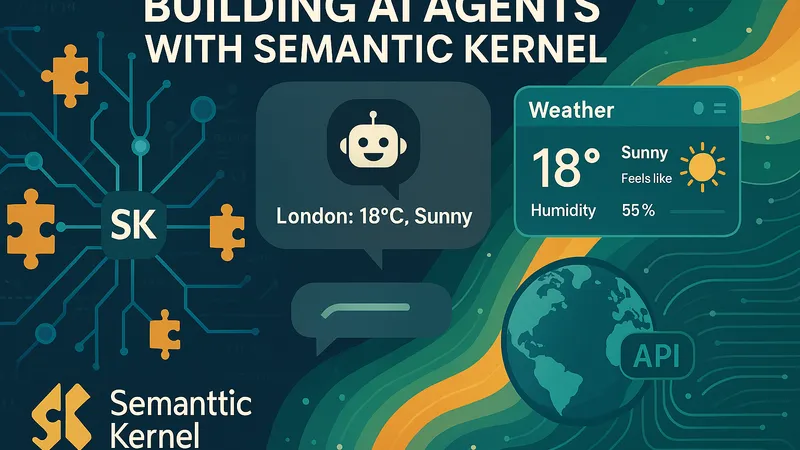
Explore the creation of intelligent AI agents with the Semantic Kernel Agent Framework
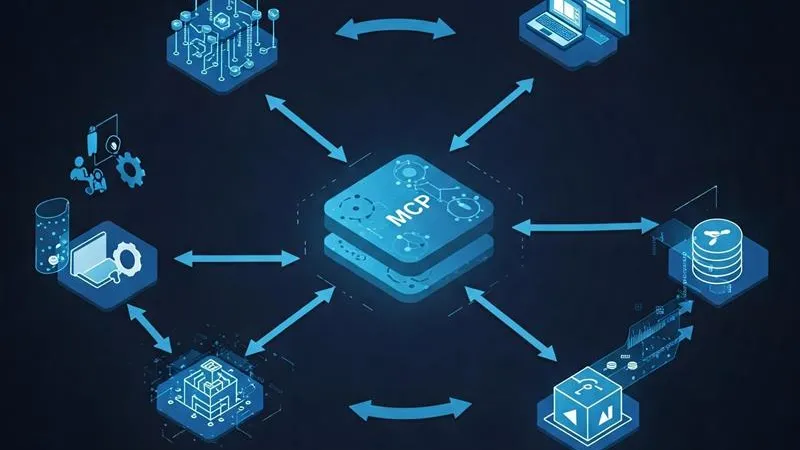
MCP enables LLMs to access real-time data and execute dynamic actions with ease, reducing redundancy and maintenance overhead through standardized client-server interactions.

Boost your coding efficiency with ChatGPT/Gemini/Claude integration in Visual Studio! Learn how the free ChatGPTExtension eliminates tab switching, automates code fixes, and streamlines your workflow right inside your IDE. Maximize productivity and simplify your development process today!

How we enhanced our product classification system by incorporating Retrieval-Augmented Generation (RAG) to provide dataset-specific context, resulting in improved performance and reliability.

How we enhanced our product classification system by incorporating Retrieval-Augmented Generation (RAG) to provide dataset-specific context, resulting in improved performance and reliability.

A comprehensive exploration of Response Format compatibility issues when working with Llama, Phi, and Mistral model families in Microsoft Azure AI Studio with Semantic Kernel, and how to effectively navigate these limitations.
Understanding the differences between OpenAI and Azure OpenAI and how to use them with Semantic Kernel

Learn how to create a simple recommendation system for e-commerce using vector embeddings and Gradio.

A deep dive into the real costs and limitations of gpt-4o-mini for image processing tasks.

Learn how to use the new WaitFor and WaitForCompletion methods in .NET Aspire 9 to manage dependencies in your distributed applications.

A new way to call functions using the latest Semantic Kernel SDK

A Simple Guide to Structured Outputs with Semantic Kernel. Converting text responses into typed data with JSON schema and C# model classes.

Fix the "json_schema is enabled only for api versions 2024-08-01-preview and later" error, plus how to set the Azure OpenAI API version in Semantic Kernel.

OpenAI's Structured Outputs beats JSON Mode for schema-bound apps, but it still fails on truncated responses, model refusals, and hallucinated values.
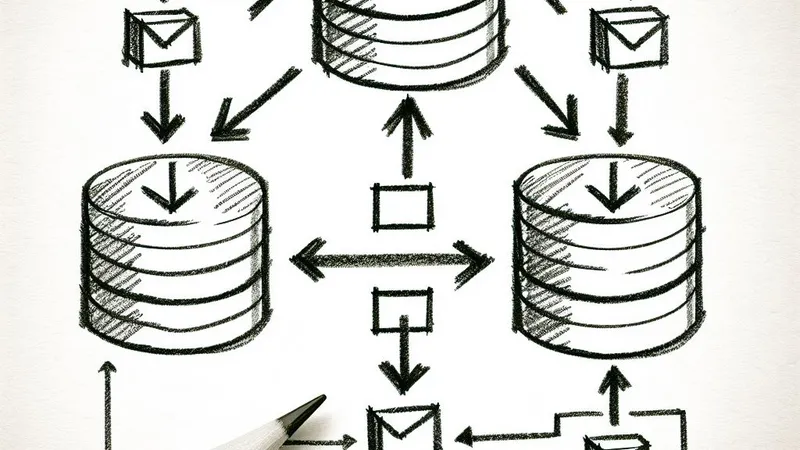
Writing a basic Byte Pair Encoding (BPE) tokenizer using C# and .NET

An in-depth exploration of tokenization, tokens, and their crucial role in modern LLMs

Using Semantic kernel to showcase how NLP tasks like text classification can be done with just a bit of prompt engineering in both python and .NET
Semantic Kernel's Python SDK still lags the .NET version in features. Here's the exact code to send your first prompt, and why it got cut off at 150 tokens.

Using aspire orchestration to develop AI-powered apps locally with .NET and Semantic Kernel
An introduction to .NET Aspire, its integrated services, and the Aspire dashboard.

In-depth look at a .NET-based Food Health Analyzer app using Azure OpenAI and Semantic Kernel for intelligent ingredient and health analysis.
An overview for a simple AI powered app for checking packaged food healthiness

Working with the new prompt filter IPromptRenderFilter in semantic kernel
Working with yaml prompt templates in semantic kernel

Using the manual mode for function calling in Semantic Kernel

Using the gpt-4 function calling capabilities with semantic kernel

Introduction to function calling with OpenAI

Using a local embedding service with Semantic Kernel

Setting up a local embedding service using Python for development


Working with Azure multiple streaming responses in Semantic Kernel

Getting familiar with using OpenAI connector in Semantic Kernel

Building GPT plugins in dotnet using Semantic kernel

Using prompts effectively with Semantic Kernel

Designing effective prompts for emerging AI-powered applications.


Setting up a local qdrant server using the qdrant-dotnet library


Getting familiar with Semantic Kernel and its functionality

Introduction to Semantic Kernel the lightweight AI apps orchestrator using dotnet

Qdrant setup with Docker in two commands, plus the collection/point/payload model you need before your first vector search actually works right.

Introduction to Vector Databases, the next-gen DBMS powering AI applications.

Understanding LLMs and their workings from the basics.